

Safety is one of the most important elements of any successful construction project. Construction sites are naturally active and high-risk working environments, where workers, equipment, materials, and ongoing operations all come together in one place. Without proper safety measures, even a small mistake can lead to serious injuries, project delays, property damage, or financial loss.
For this reason, maintaining a strong safety culture on construction sites is not only a legal and operational responsibility, but also a professional commitment to protecting lives and ensuring the successful delivery of every project.
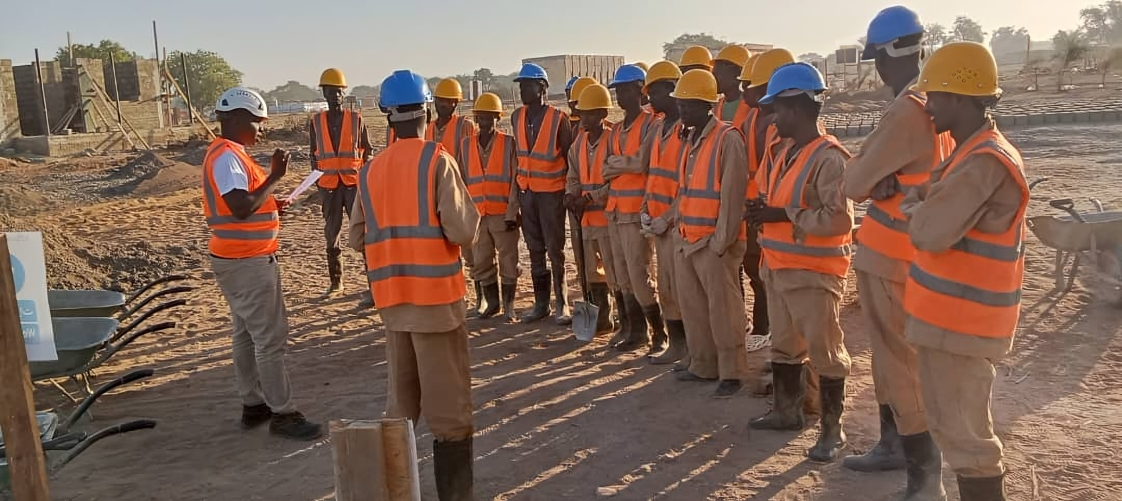
Protecting Workers and Human Life
The most important reason for maintaining safety on construction sites is to protect the health and well-being of workers. Construction activities often involve working at heights, operating heavy machinery, handling tools, lifting materials, electrical installations, and exposure to moving equipment. These conditions can create serious hazards if not properly managed.
By implementing site safety procedures, providing personal protective equipment (PPE), and ensuring workers are trained and aware of risks, construction companies can significantly reduce accidents and create a safer environment for all personnel on site.
Reducing Workplace Accidents and Injuries
A safe construction site helps prevent common workplace incidents such as slips, trips, falls, equipment-related injuries, electrical accidents, and unsafe material handling. Many of these incidents can be avoided through proper planning, supervision, and adherence to safety standards.
Regular safety briefings, site inspections, hazard identification, and proper use of tools and equipment all contribute to minimizing risk and maintaining a secure work environment.
Improving Productivity and Work Efficiency
Safety and productivity go hand in hand. When workers feel safe and protected, they are more confident, focused, and able to perform their tasks effectively. A well-organized and safety-conscious construction site reduces disruptions, confusion, and avoidable downtime caused by incidents or unsafe conditions.
In contrast, accidents can interrupt operations, delay timelines, and negatively affect overall project performance. A strong safety system supports smoother workflows and helps projects progress more efficiently.
Protecting Equipment, Materials, and Property
Construction safety is not only about people it also helps protect tools, machinery, building materials, and surrounding property. Poor site management and unsafe practices can result in damaged equipment, material loss, fires, structural risks, or harm to nearby assets.
Maintaining safety procedures ensures that materials are stored correctly, equipment is used responsibly, and the site remains controlled and secure throughout the project lifecycle.
Ensuring Compliance and Professional Standards
Every professional construction project should be carried out in accordance with established safety standards and operational requirements. Following site safety procedures demonstrates responsibility, professionalism, and commitment to quality project delivery.
Clients, development partners, and stakeholders increasingly expect contractors and engineering firms to prioritize safety as a core part of project implementation. A company that takes safety seriously strengthens its reputation and builds trust with clients and communities alike.
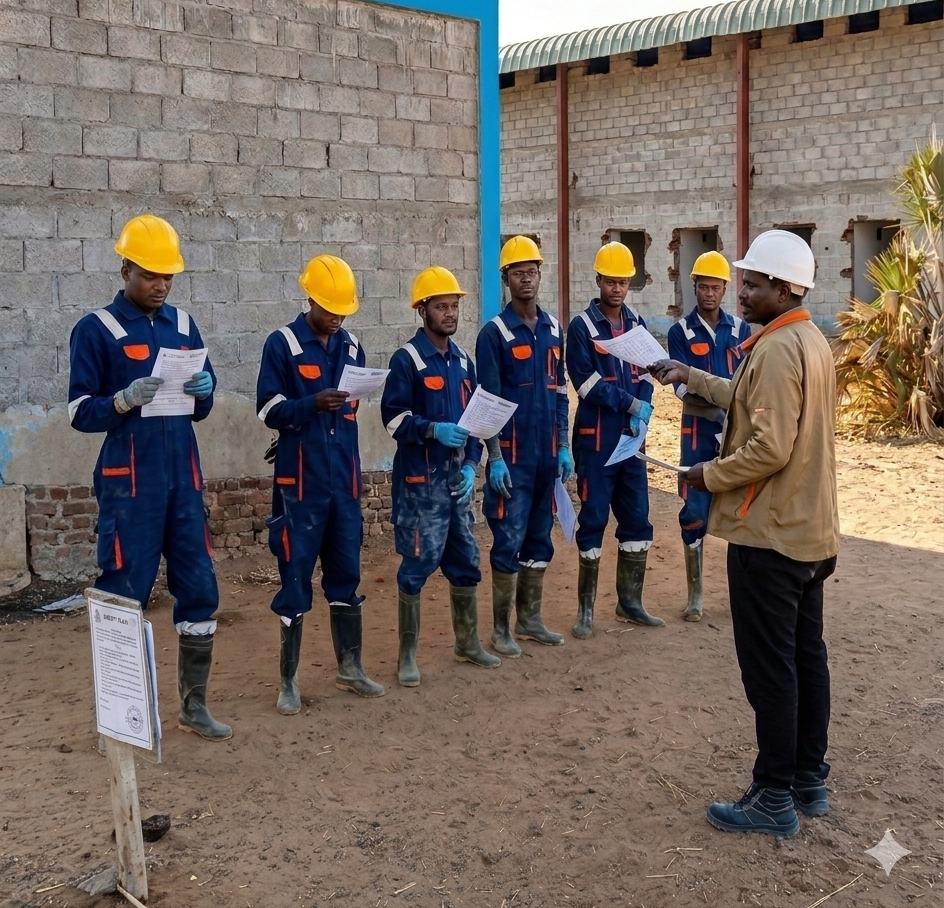
Creating a Positive Safety Culture
Safety is most effective when it becomes part of the daily work culture rather than just a checklist. A positive safety culture means that everyone on site—from site engineers and supervisors to laborers and subcontractors—understands their role in maintaining a safe working environment.
This includes:
- Wearing the required protective gear
- Reporting hazards immediately
- Following safety instructions
- Keeping work areas clean and organized
- Using equipment correctly
- Supporting one another in maintaining safe practices
When safety is treated as a shared responsibility, the entire site becomes more secure and better managed.
The Role of Leadership in Site Safety
Site safety begins with leadership. Project managers, engineers, supervisors, and company management all play a critical role in setting safety expectations and ensuring compliance on site. Effective leadership helps establish clear procedures, enforce safety rules, and provide the resources needed for workers to operate safely.
When safety is consistently prioritized from the top level, it creates a more disciplined and accountable work environment across the entire project team.
Conclusion
Safety on construction sites is not optional—it is a fundamental part of responsible and professional project delivery. It protects workers, reduces accidents, improves productivity, safeguards equipment, and supports the successful completion of construction activities.
At Universal Construction, we recognize that safety is essential to quality, efficiency, and long-term project success. By maintaining strong safety practices on every project, we remain committed to protecting our teams, our clients, and the communities we serve.


